

Industry News 2
18 May 2026
The UK’s ambition to deliver more homes remains firmly at the centre of the Government’s growth agenda. However, while housing targets often dominate industry headlines, the infrastructure required to support these new communities is becoming an increasingly important part of the conversation.
From highways and drainage systems to public open spaces and biodiversity enhancements, today’s developments are far more complex than those delivered a decade ago. As planning policy evolves and expectations around placemaking continue to rise, developers are being asked to deliver not only homes, but sustainable, well-managed communities.
Infrastructure Is More Than Just Roads
When discussing infrastructure delivery, attention is often focused on highways and transport links. Whilst these remain critical components of any development, infrastructure now encompasses a much wider range of assets.
Modern developments frequently include:
• Estate roads and footpaths
• Sustainable Drainage Systems (SuDS)
• Public open spaces
• Play areas
• Ecological mitigation land
• Biodiversity Net Gain assets
• Community landscaping and green corridors
Each of these elements plays an important role in supporting the long-term success of a development. However, they also bring ongoing maintenance and management responsibilities that must be carefully planned from the outset.
The Challenge of Long-Term Ownership
One of the most significant challenges facing developers today is determining who will ultimately be responsible for managing communal assets once construction has been completed.
Whilst certain infrastructure may eventually be adopted by local authorities or statutory bodies, many assets remain privately managed for the lifetime of the development. This can include landscaped areas, ecological land, drainage infrastructure and other communal facilities.
As a result, there is growing recognition across the industry that long-term stewardship should not be treated as an afterthought.
Developers are increasingly considering future management arrangements during the planning stage, allowing responsibilities, maintenance obligations and resident expectations to be clearly established before homes are occupied.
Planning for Sustainable Communities
The concept of placemaking has become a defining feature of modern residential development.
Successful communities are no longer measured solely by the number of homes delivered. Instead, attention is increasingly focused on the quality of the environment in which people live.
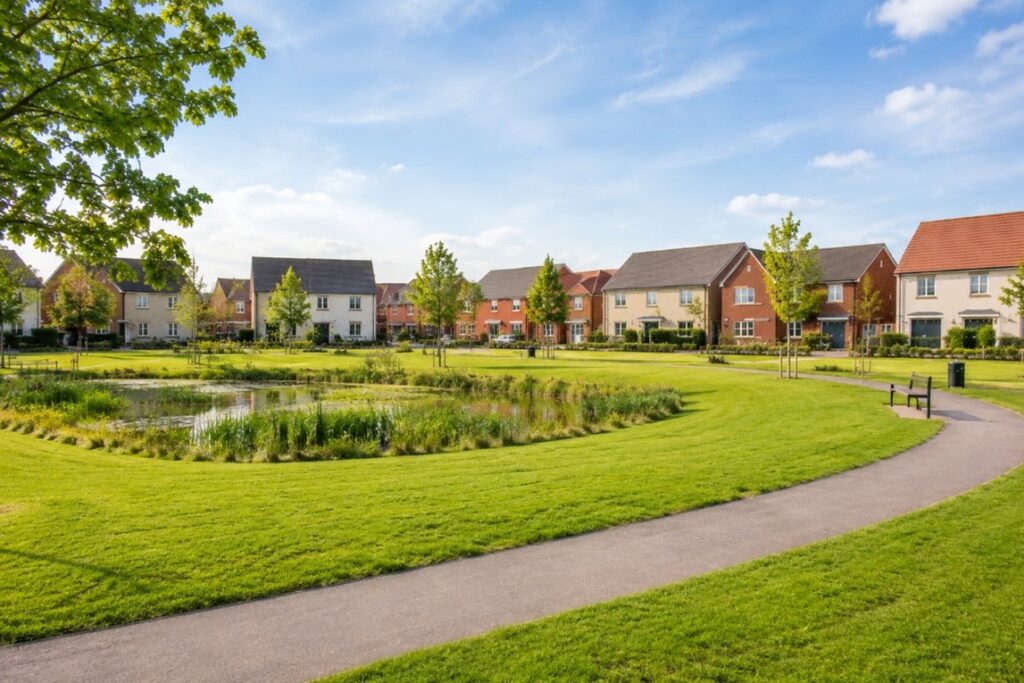
Well-maintained green spaces, attractive landscaping, safe pedestrian routes and accessible community infrastructure all contribute towards creating places where people want to live for the long term.
This shift in thinking is influencing planning policy across the country, with local authorities placing greater emphasis on sustainable development, environmental enhancements and community wellbeing.
For developers, this means infrastructure must be viewed not only as a planning requirement, but as a key component of the overall customer experience.
The Growing Importance of Open Space Management
Open space provision has become a fundamental part of many residential developments.
In addition to providing recreational opportunities, green infrastructure is increasingly expected to deliver environmental benefits through biodiversity enhancement, habitat creation and climate resilience measures.
However, these spaces only achieve their intended purpose when they are properly maintained.
Without clear management structures in place, communal areas can quickly deteriorate, leading to resident dissatisfaction and reducing the overall quality of the development.
As planning requirements continue to evolve, professional stewardship and asset management are becoming integral components of successful development delivery.
“Infrastructure does not stop at practical completion. The long-term success of a development depends on how effectively its assets are managed for future generations.”
Looking Ahead
The future of housebuilding will continue to be shaped by infrastructure.
As developments become larger, more environmentally focused and increasingly complex, developers will face growing expectations around the delivery and management of communal assets.
By considering long-term stewardship from the earliest stages of a project, developers can help ensure infrastructure continues to perform as intended whilst supporting thriving, sustainable communities.
At Indevor Estates, we continue to monitor industry developments and support stakeholders in delivering effective management solutions for infrastructure, open space and communal assets across the UK.
Want to discuss infrastructure and open space management?
If you are delivering a residential development and would like to explore long-term management solutions for communal assets, highways or open space, our team would be pleased to discuss your requirements.
Contact Indevor Estates today to learn more.